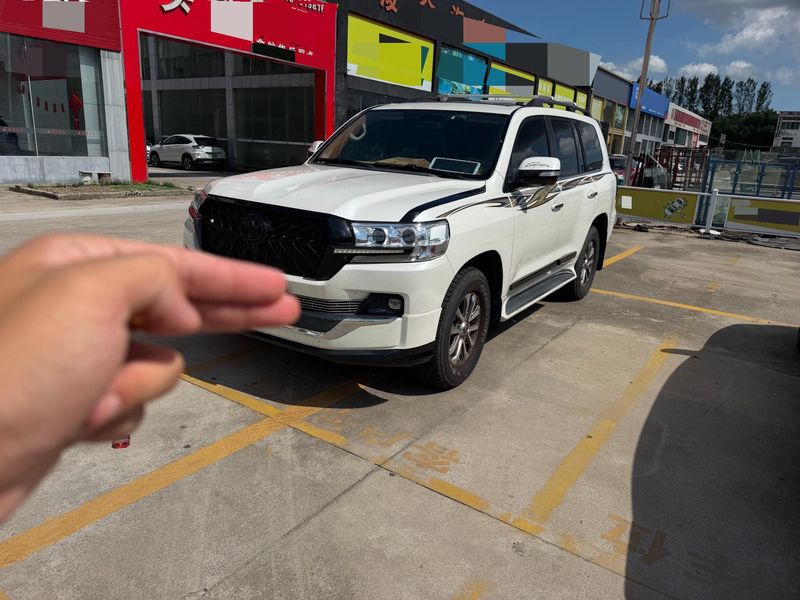
A 2017 Fortuner 2.8L diesel with around 100,000 km on the odometer typically sells for $25,000–$30,000 FOB when sourced directly from a China-based exporter. That price range covers both 4x2 and 4x4 variants, and we can arrange a pre-shipment inspection by SGS if you require one. For live stock availability and a firm quote, message us on WhatsApp at +86 155 5692 0288. We are a direct exporter, not agency, not aggregator, which means you deal with the party that actually owns and ships the vehicle.
What factors move the price of a 2017 Fortuner 2.8L diesel?
The $25,000–$30,000 FOB band is not a fixed number. Several variables push a unit toward the lower or upper end of that range, and understanding them helps you judge whether a quote is fair.
- Mileage: A 2017 Fortuner with 100,000 km sits in a normal usage bracket for its age. Units under 80,000 km command a premium, sometimes $1,500–$2,500 more, because the 2.8L 1GD-FTV engine and automatic gearbox still have substantial service life ahead. Units above 150,000 km drop in price but need closer inspection of the turbo, injectors, and suspension.
- Drivetrain: Many Nigerian buyers specifically ask for the 4x4 version because of road conditions outside Lagos and Abuja. A 4x4 typically adds $1,000–$2,000 over an equivalent 4x2. We stock both, so you are not forced into one configuration.
- Trim and options: The Fortuner 2.8L diesel came in several trims across different markets. Leather seats, a sunroof, a factory touchscreen, and a reverse camera all add value. A base cloth-seat model with a basic radio sits at the bottom of the range.
- Condition and history: Accident-free units with complete service records are worth more. A documented timing chain and injector service is a strong positive signal on the 1GD engine.
- Color and demand: White and silver hold value best in the Nigerian market. Less common colors can sit longer and sometimes sell at a slight discount.
Because these factors interact, two 2017 Fortuner 2.8L diesels with the same mileage can differ by several thousand dollars. That is why we quote per unit rather than publishing a single blanket price.
What do shipping and Nigerian import costs add?
The FOB price covers the vehicle loaded at the Chinese port. It does not include ocean freight, insurance, or Nigerian import duties. Buyers in Lagos, Abuja, and Port Harcourt should budget for the following on top of the vehicle price.
- Ocean freight: A 20-foot container or RoRo slot from China to Lagos (Apapa or Tin Can Island) typically runs $1,200–$2,500 depending on the shipping line, season, and whether you choose container or RoRo. RoRo is often cheaper for a single vehicle but has a fixed sailing schedule.
- Marine insurance: Usually 0.3%–0.5% of the CIF value. It is optional but strongly recommended for a vehicle in this price bracket.
- Nigerian import duty: Customs duty on a used Fortuner is calculated on the assessed value, not necessarily what you paid. The rate for passenger vehicles is commonly around 35% combined (duty plus levy plus surcharge), though the exact figure depends on the HS code and the Customs valuation at the time of clearance. A customs agent in Lagos can give you a current estimate.
- Terminal and clearing charges: Expect another $800–$1,500 for terminal handling, agency fees, and documentation at the Nigerian port.
As a rough guide, a $27,000 FOB Fortuner landed and cleared in Lagos often totals $33,000–$38,000 depending on the duty assessment. We can connect you with reputable clearing agents in Lagos who handle Fortuner imports regularly, but the duty itself is paid directly by you to the Nigerian authorities.
How do you order and pay?
The process is straightforward when you work with a direct exporter. Here is the typical flow for a 2017 Fortuner 2.8L diesel bound for Nigeria.
- Step 1 — Confirm stock: Message WhatsApp +86 155 5692 0288 with your preferred drivetrain (4x2 or 4x4), color, and any must-have options. We will send current photos, a video walkaround, and the chassis number.
- Step 2 — Agree the price and terms: We issue a proforma invoice showing the FOB price, port of loading, and estimated shipping cost. Payment terms are typically a deposit to reserve the unit and the balance before loading, or a letter of credit for larger orders.
- Step 3 — Inspection: If you want third-party verification, we arrange an SGS pre-shipment inspection at your request. This covers the vehicle's condition and confirms it matches the described specification.
- Step 4 — Shipping and documents: After the balance clears, we book the vessel and prepare the bill of lading, commercial invoice, packing list, and certificate of origin. These documents are couriered to you or sent electronically so your clearing agent can start the Nigerian import process.
- Step 5 — Clearance and delivery: Your agent clears the vehicle at the Nigerian port, pays duty on your behalf, and arranges final delivery.
We do not use intermediaries for the export side. You are buying from the exporter that physically handles the vehicle, which reduces the risk of hidden markups and miscommunication.
How do you verify the vehicle and its paperwork?
Buying a used Fortuner from overseas carries real risk if you skip verification. Here is what to check before money changes hands.
- Chassis and engine numbers: Ask for clear photos of the VIN plate and the engine number stamp. These should match the documents exactly.
- Service history: A 2017 model with 100,000 km should have evidence of regular oil changes and at least one major service. The 2.8L 1GD-FTV is durable, but neglect shows up in the injectors and turbo.
- Pre-shipment inspection: An SGS or equivalent inspection gives you an independent report on mileage, structural condition, and specification. We offer this on request.
- Export documents: Confirm the bill of lading names you or your agent as the consignee, and that the commercial invoice value is consistent with what you declared to Nigerian Customs.
- Photos and video: Request a walkaround video showing the odometer, dashboard warning lights, undercarriage, and engine bay. A serious exporter will provide this without hesitation.
If a seller refuses to provide chassis photos or third-party inspection, treat that as a warning sign. The Fortuner is a popular model, and legitimate stock is verifiable.
Why buy from a direct exporter?
Many listings online are posted by agencies or aggregators that do not own the vehicle. They add a margin, slow down communication, and sometimes pass on inaccurate specifications. We are a direct exporter, not agency, not aggregator. That means the price you see reflects our actual cost plus a transparent margin, the photos are of the actual unit, and the shipping timeline is controlled by us rather than a third party.
For Nigerian buyers, this matters because the Fortuner 2.8L diesel is a high-demand vehicle. A direct relationship with the exporter makes it easier to reserve a specific unit, request an inspection, and resolve any documentation issue quickly.
Frequently asked questions
Is the 2017 Fortuner 2.8L diesel reliable at 100,000 km? Yes, when maintained. The 1GD-FTV engine is known for longevity, but you should verify injector and turbo health through an inspection.
Can I get a 4x4 instead of a 4x2? Yes. We stock both configurations, and the 4x4 is the more common request from Nigerian buyers.
Do you handle Nigerian customs clearance? We handle export and shipping documents. We can recommend clearing agents in Lagos, but duty payment and port clearance are handled on your side.
How long does shipping to Lagos take? Typically 25–40 days from loading, depending on the shipping line and route.
Ready to move forward? Message +86 155 5692 0288 on WhatsApp for a current quote and stock photos, or browse in-stock How listings to see what is available right now.