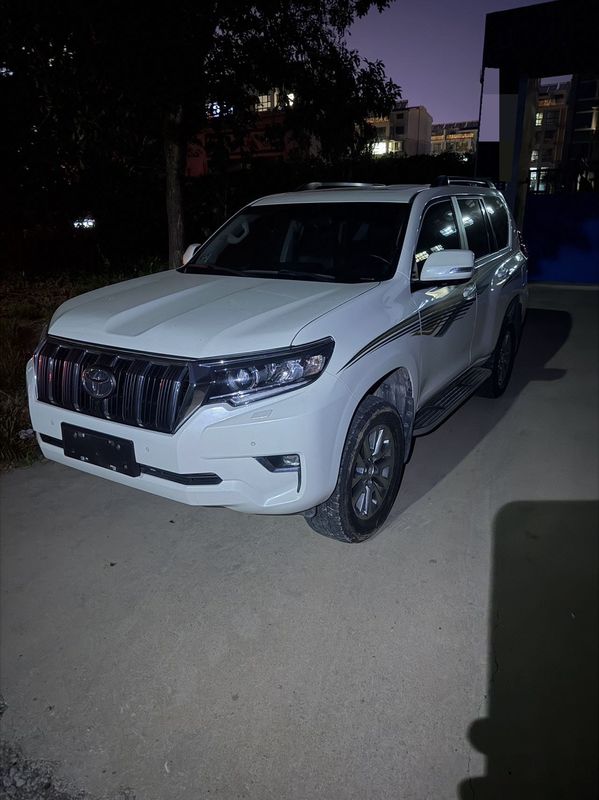
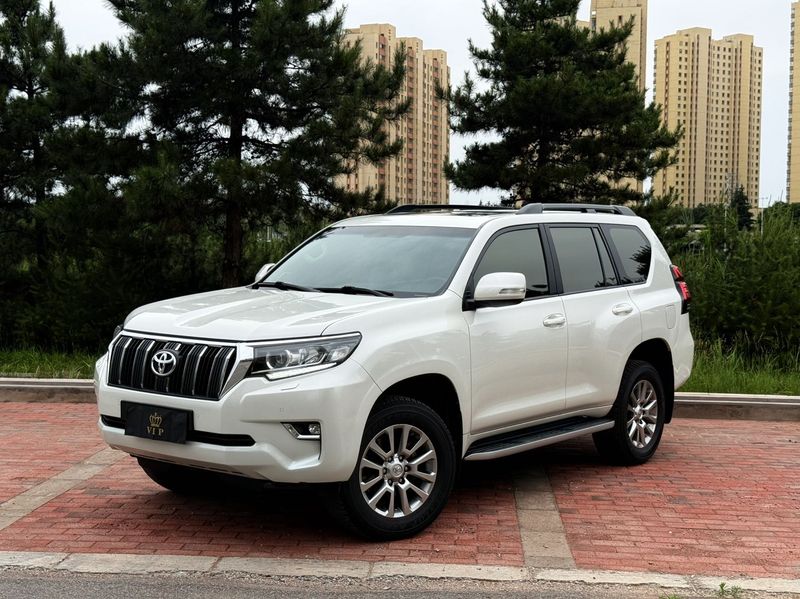
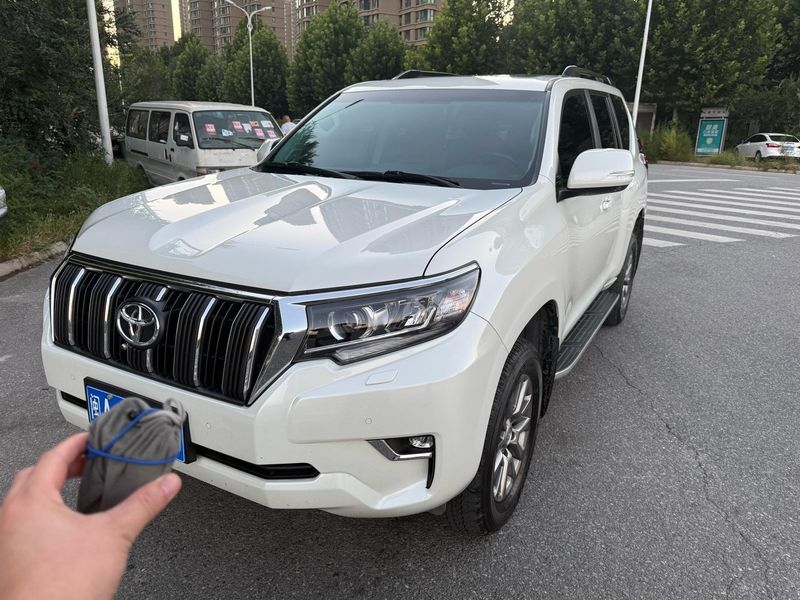
A 2012 Land Cruiser Prado TX 2.7L petrol with around 120,000 km typically runs about $22,000–$28,000 FOB for Kenya. That range reflects real market pricing for a clean, well-maintained unit, not a teaser rate. We are a direct exporter, not agency, not aggregator, so the quote you get is tied to an actual vehicle we can inspect, photograph, and ship. We can arrange pre-shipment inspection and photos of the undercarriage and engine bay before you commit. Send us your budget and we’ll match a clean unit. WhatsApp +86 155 5692 0288 for a direct quote.
What factors affect the price of a 2012 Prado TX 2.7L for Kenya?
The $22,000–$28,000 FOB range is not random. Several concrete variables move a 2012 Prado TX 2.7L up or down within that band, and understanding them helps you judge whether a quote is fair or inflated.
- Mileage and service history: A 120,000 km unit with documented oil changes and timing chain service sits at the higher end of condition but can still be priced mid-range. Units above 180,000 km without records usually fall toward $22,000 or below. Low-mileage examples under 100,000 km can push past $28,000 if the body and interior are clean.
- Grade and trim: TX is the mainstream trim. A TX with factory rear air conditioning, alloy wheels, and a clean dashboard commands more than a base TX with steel wheels and worn seats. Some sellers label a base unit as TX, so verify the chassis number and trim plate.
- Body and undercarriage condition: Kenya’s roads and coastal humidity make rust a real issue. A Prado with surface rust on the frame or rear axle housing is worth less than a dry-climate unit. We photograph the undercarriage specifically because that is where hidden cost lives.
- Engine and transmission health: The 2.7L 2TR-FE petrol engine is durable, but a unit with a noisy timing chain, oil leaks, or a slipping automatic transmission will be priced lower. A compression test and cold-start video are standard in our inspection.
- Accident history and panel alignment: A Prado that has been in a major collision may look fine in photos but show uneven panel gaps, repainted sections, or a bent radiator support. These units are cheaper for a reason and often cost more in repairs after arrival.
- Market timing and supply: When demand from Kenya, Tanzania, and Uganda spikes, clean 2012 Prados get scarce and prices firm up. When supply is high, you have more room to negotiate. We track this weekly and can tell you if waiting a few weeks makes sense.
Because we are a direct exporter, we can tell you exactly which of these factors applies to a specific unit. An agency or aggregator often cannot, because they are passing along someone else’s listing without hands-on inspection.
What are the shipping, freight, and tax costs to Kenya?
FOB price is only part of your landed cost. For a 2012 Prado TX 2.7L shipped to Mombasa, you should budget for the following:
- Ocean freight: Typically $1,200–$2,000 from major Chinese ports to Mombasa, depending on container type and season. RoRo is often cheaper but has less protection; container shipping costs more but reduces exposure to salt air and handling damage.
- Marine insurance: Usually 0.3%–0.5% of CIF value. Do not skip this. A Prado is a high-value item and transit damage, though rare, is expensive.
- Import duty and taxes in Kenya: Kenya Revenue Authority assesses import duty, excise, VAT, and the Railway Development Levy. For a 2012 vehicle, the age bracket affects the rate. As a rough guide, total taxes can add 40%–60% of the CIF value, but the exact figure depends on KRA’s current valuation and your HS code. We provide the commercial invoice and export documents you need for clearing.
- Port and clearing charges: Mombasa port storage, clearing agent fees, and transport to Nairobi or your final destination are separate. These vary by agent and distance, so get a written quote before the vessel arrives.
- Inspection and compliance: Kenya requires a pre-export inspection certificate for used vehicles. We arrange this as part of the export process. Without it, the vehicle may be denied entry or face delays.
Ask us for a landed-cost estimate before you pay a deposit. We would rather give you a realistic total than a low FOB number that balloons at the port.
How do I order, pay, and receive the vehicle?
The process is straightforward when you work with a direct exporter. Here is how it typically runs:
- Step 1 — Share your budget and requirements: Tell us your target price, preferred mileage, and any must-haves like rear A/C or alloy wheels. WhatsApp +86 155 5692 0288 is the fastest way to start.
- Step 2 — Receive matched units: We send photos, videos, inspection notes, and the FOB price for each candidate. You are not choosing from a generic catalog; you are choosing from units we have physically inspected.
- Step 3 — Confirm and pay deposit: Once you approve a unit, we issue a proforma invoice. A deposit (usually 30%–50%) secures the vehicle. Balance is due before shipment or against the bill of lading, depending on the agreed terms.
- Step 4 — Pre-shipment inspection: Before the vehicle leaves, we provide undercarriage and engine bay photos, a cold-start video, and any third-party inspection report you request. This is your last chance to catch problems before the vehicle is on the water.
- Step 5 — Shipping and documents: We book the vessel, handle export clearance, and send you the bill of lading, commercial invoice, packing list, and inspection certificate. You or your clearing agent use these to clear the vehicle at Mombasa.
- Step 6 — Arrival and handover: Your clearing agent handles KRA assessment and port release. We stay available to answer document questions until the vehicle is in your hands.
Payment methods vary. Bank transfer is standard. We do not ask for payment to personal accounts, and we provide company details for verification. If a seller pressures you to pay quickly without documents, walk away.
What should I check in the inspection and paperwork?
For a 2012 Prado, the inspection and documents matter as much as the price. Here is what to insist on:
- Chassis number verification: Match the chassis number on the vehicle to the export certificate and the invoice. A mismatch can block clearance.
- Undercarriage photos: Look for rust on the frame, rear axle, and suspension mounts. Surface rust is manageable; flaking or perforated metal is not.
- Engine bay photos and cold-start video: Check for oil leaks, coolant residue, and unusual noises. A cold start reveals timing chain rattle that a warm engine hides.
- Odometer and service records: Verify the mileage against any available service stamps or auction sheets. Digital odometers can be altered, so cross-check with wear on the driver’s seat, pedals, and steering wheel.
- Export certificate and inspection certificate: These are required for Kenyan import. Confirm they are issued in the name of the exporter and match the vehicle details.
- Bill of lading: Check that the consignee name and vehicle description are correct before the vessel sails. Corrections after departure are costly and slow.
We provide these documents and photos as standard because we are the exporter, not a middleman. If you are comparing quotes, ask each seller for the same set of evidence. The one who hesitates is the one to avoid.
Why buy from a direct exporter instead of an agency or aggregator?
An agency or aggregator often does not own or inspect the vehicle. They list it, take a margin, and pass you to someone else when problems arise. A direct exporter controls the inspection, the paperwork, and the shipping timeline. That means fewer surprises, faster answers, and accountability when something needs fixing. We are a direct exporter, not agency, not aggregator. You deal with the people who actually handle the car.
Ready to move? WhatsApp +86 155 5692 0288 with your budget and we will send you current Prado TX 2.7L options with photos and FOB pricing. You can also browse in-stock What listings to see what is available right now. Tell us your target price and we will match a clean unit.