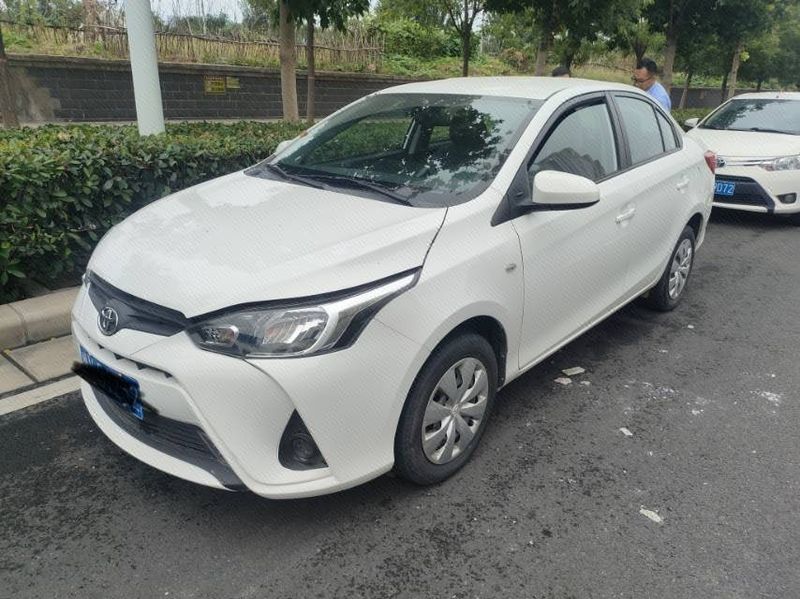
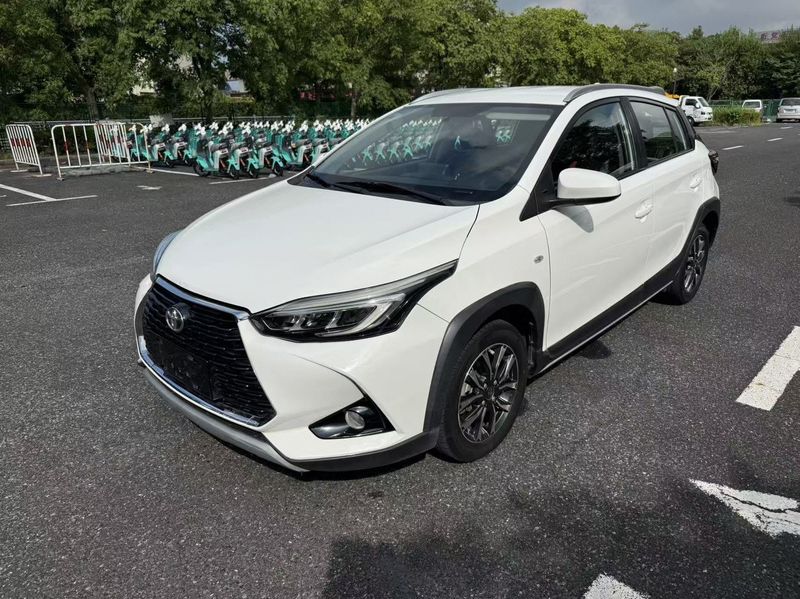
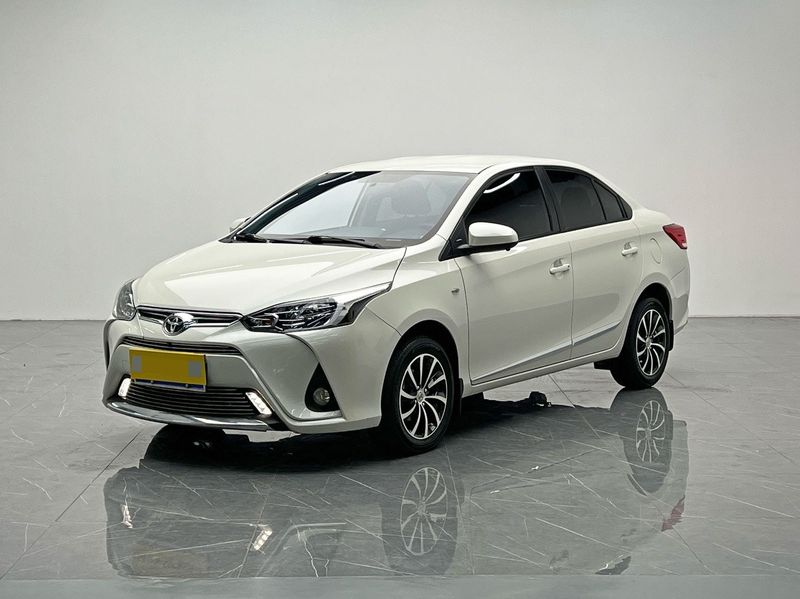
A 2020 Yaris 1.5L with 40,000 km is about $10,000–$13,000 FOB. We can supply a clean title and a detailed inspection report. This car is very fuel-efficient for city use. Contact WhatsApp +86 155 5692 0288 for available colors.
That price range is the short answer, but if you are importing into Tanzania, the final landed cost depends on several moving parts: the exact trim and options, the port of departure, the shipping line, the HS code classification, and the current TRA valuation. This guide breaks down what drives the FOB price, what you pay on top for freight and clearance, how to verify the car before you pay, and how to place an order without going through a middleman. We are a direct exporter, not agency, not aggregator, which means you deal with the party that actually owns and ships the vehicle.
What factors determine the price of a 2020 Yaris 1.5L?
The $10,000–$13,000 FOB band is not a random number. It reflects the condition, specification, and market position of the car at the time of export. Here are the main variables that push a unit toward the low or high end of that range.
- Mileage: A 2020 Yaris with 40,000 km sits in the sweet spot for a five-year-old car. Units under 30,000 km can command $800–$1,500 more because they are rarer and appeal to buyers who want a near-new feel. Units above 80,000 km drop below $10,000, but you trade remaining service life for a lower entry price.
- Trim level and transmission: The 1.5L engine is offered in several trims across different markets. A base manual with steel wheels and no touchscreen is at the bottom of the range. A higher trim with CVT, alloy wheels, reverse camera, and push-button start sits at the top. In Tanzania, CVT is generally preferred for Dar es Salaam traffic, and it adds roughly $500–$900 over the equivalent manual.
- Accident history and title status: A clean title with no structural damage is the baseline for our listings. Cars with prior accident records, even if repaired well, are discounted because they are harder to resell and may fail inspection. We only supply clean-title units, which is why our floor is $10,000 rather than $8,000.
- Service history and documentation: A full service book with stamped intervals, original auction sheet (where applicable), and export certificate adds value. Buyers in Tanzania increasingly ask for these documents before committing, and a well-documented car can justify a $300–$600 premium.
- Color and interior condition: White, silver, and black are the easiest to resell in East Africa. Unusual colors sit longer and may be priced slightly lower. Interior condition matters too: smoke smell, worn driver seat bolsters, or missing floor mats all reduce the price a buyer is willing to pay.
- Market timing: FOB prices move with exchange rates, shipping capacity, and seasonal demand. When RoRo space is tight, exporters hold firm on price. When capacity opens up, there is more room to negotiate. The $10,000–$13,000 range is a guide, not a fixed quote, so always confirm the current price for a specific chassis number.
Because we are a direct exporter, we can tell you exactly which of these factors applies to a given unit. We do not pass you to a third-party dealer or list your inquiry on a marketplace. You get the chassis number, the inspection report, and a firm FOB quote from the same party that loads the car onto the vessel.
What are the shipping and tax costs to Tanzania?
FOB means the price covers the car up to the port of loading. Everything after that is on the buyer, and for Tanzania the main costs are freight, insurance, and TRA duties. Here is how those stack up.
- Ocean freight: From major Chinese ports to Dar es Salaam, RoRo or container freight for a Yaris typically runs $900–$1,500 depending on the line, season, and whether you share a container or book a dedicated one. RoRo is usually cheaper for a single car; container is faster and offers better protection.
- Marine insurance: Budget around 0.3%–0.5% of the CIF value. It is not legally mandatory, but shipping lines and clearing agents will ask for it, and it protects you if the vessel is delayed or the car is damaged in transit.
- Import duty: Tanzania applies duty on the CIF value (car + freight + insurance). For a passenger vehicle, the rate depends on the HS code and engine size. A 1.5L petrol car generally falls into a mid-tier band, and you should confirm the current rate with your clearing agent because TRA updates valuations periodically.
- VAT: VAT is applied on top of the duty-inclusive value. This is often the largest single line item after the car itself, so do not budget only for duty.
- Excise duty: Older vehicles attract higher excise. A 2020 model is relatively young, which keeps this lower than a 2015 or 2016 unit, but it is still a real cost.
- Port and clearing charges: Dar es Salaam port charges, terminal handling, agency fees, and transport to your final destination typically add $400–$800. If you clear the car yourself, you save the agency fee but spend more time.
- Registration and number plates: Once cleared, you need to register the vehicle with TRA and obtain plates. This is a modest cost but requires the correct documents, including the bill of lading, export certificate, and inspection report.
A rough rule of thumb: the landed cost in Dar es Salaam is often 1.6x to 1.9x the FOB price, depending on the duty rate and freight at the time. So a $11,000 FOB Yaris might land at $18,000–$21,000 before registration. Ask your clearing agent for a current estimate using the exact chassis number, because TRA valuations are specific to the vehicle.
How do I verify the car and check the documents?
Verification is the part buyers worry about most, and it is where a direct exporter earns trust. Here is what we provide and what you should check.
- Inspection report: A detailed report covering exterior panels, paint thickness, undercarriage, engine bay, interior, and electronics. It should include photos with timestamps and a note on any repaired panels.
- Chassis number and auction sheet: The chassis number lets you cross-check the car against its original auction or export record. If the car was sourced from a domestic auction, the sheet shows the grade and any noted damage.
- Clean title: We supply a clean title with no liens and no salvage branding. This is non-negotiable for us and for most Tanzanian buyers.
- Export certificate: Issued by the Chinese customs authority, this document proves the car was legally exported and is required for import clearance in Tanzania.
- Bill of lading: The shipping line issues this after the car is loaded. It names the consignee and is the key document for clearing at Dar es Salaam.
- Mileage verification: For a 2020 car, the mileage should be consistent with the service history and the auction sheet. If the car has a digital odometer, we can provide a diagnostic scan showing the stored value.
You can also arrange a third-party inspection if you prefer. We will make the car available at our yard for an inspector of your choice, and we will not pressure you to skip that step. The goal is for you to know exactly what you are buying before the vessel sails.
How do I order and pay?
The process is straightforward, but it helps to know the sequence so you are not caught off guard by a document request.
- Step 1: Confirm availability and price. Send the model, year, trim, and preferred color to WhatsApp +86 155 5692 0288. We will reply with available chassis numbers, photos, and a firm FOB quote.
- Step 2: Review the inspection report and documents. We share the inspection report, title status, and any auction sheet before you commit. Ask questions; we would rather answer them now than after the car is on the water.
- Step 3: Place a deposit. A deposit reserves the car and starts the export paperwork. The deposit is typically a percentage of the FOB price and is deducted from the final invoice.
- Step 4: Pay the balance. The balance is due before the car is loaded. We accept bank transfer in USD. We do not ask for payment to personal accounts, and we do not use informal payment channels.
- Step 5: Receive export documents. After loading, we send the bill of lading, export certificate, invoice, and packing list. These are the documents your clearing agent needs in Dar es Salaam.
- Step 6: Clear and register in Tanzania. Your agent submits the documents to TRA, pays duty and VAT, and arranges port release. We can recommend agents if you do not have one, but we do not mark up their fees.
Because we are a direct exporter, there is no agency commission layered into the FOB price. The number you see is the number we invoice, plus the actual freight and insurance you arrange or we arrange on your behalf at cost.
Why buy from a direct exporter instead of an agency or aggregator?
An agency or aggregator typically does not own the car. They take your inquiry, shop it around, and add a margin. That can work, but it adds cost and removes you from the party who actually controls the vehicle. As a direct exporter, we own or directly source the units we list, we inspect them ourselves, and we control the loading schedule. That means faster answers on availability, more accurate condition reports, and a shorter chain between your payment and your car. It also means when we say a car is clean-title and ready to load, we are describing a vehicle we have physically handled, not a listing we copied from someone else.
For Tanzania specifically, this matters because clearance delays are expensive. If a document is missing or a chassis number does not match, the car sits at port and you pay storage. A direct exporter can fix document issues at the source, before the vessel departs, rather than relaying messages through a third party.
Frequently asked questions
- Is the $10,000–$13,000 price negotiable? There is usually some room on the higher end, especially if you are buying multiple units or paying promptly. The floor is set by our cost and the condition of the car.
- Can you ship to Dar es Salaam directly? Yes. We regularly ship to Dar es Salaam via RoRo and container. Transit time is typically 25–40 days depending on the line and routing.
- Do you provide a warranty? We provide an inspection report and accurate condition disclosure. For mechanical warranty, that is usually arranged locally in Tanzania after import.
- Can I buy without seeing the car in person? Yes, most of our buyers do. The inspection report, photos, and chassis number verification are designed for remote purchase.
- What if the car is not as described? We disclose known issues in the inspection report. If a material issue is found that was not disclosed, we work with you on a solution before shipment. This is why we insist on a thorough report upfront.
Ready to move? Message WhatsApp +86 155 5692 0288 with the trim and color you want, and we will send current availability and a firm FOB quote. You can also browse in-stock How listings to see what is on the ground right now. Whether you are buying one Yaris for personal use or several for resale in Tanzania, dealing directly with the exporter keeps your cost down and your information accurate.