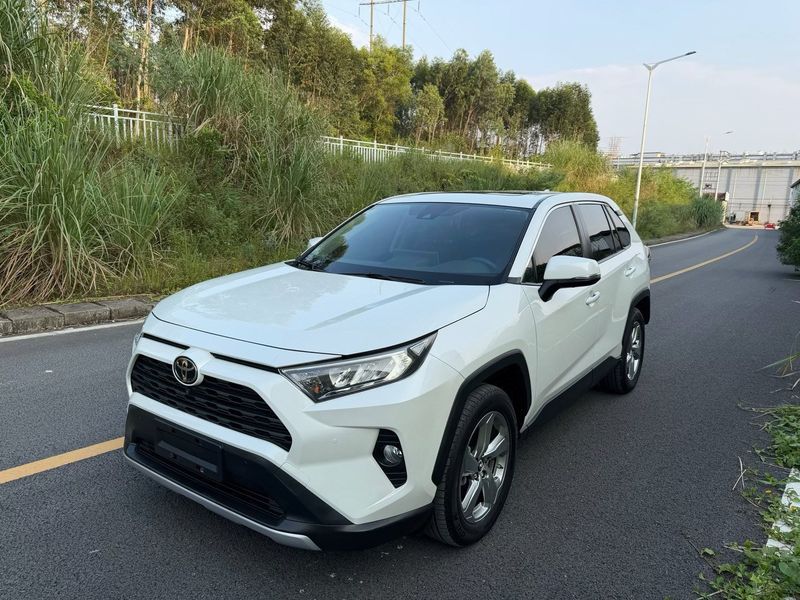
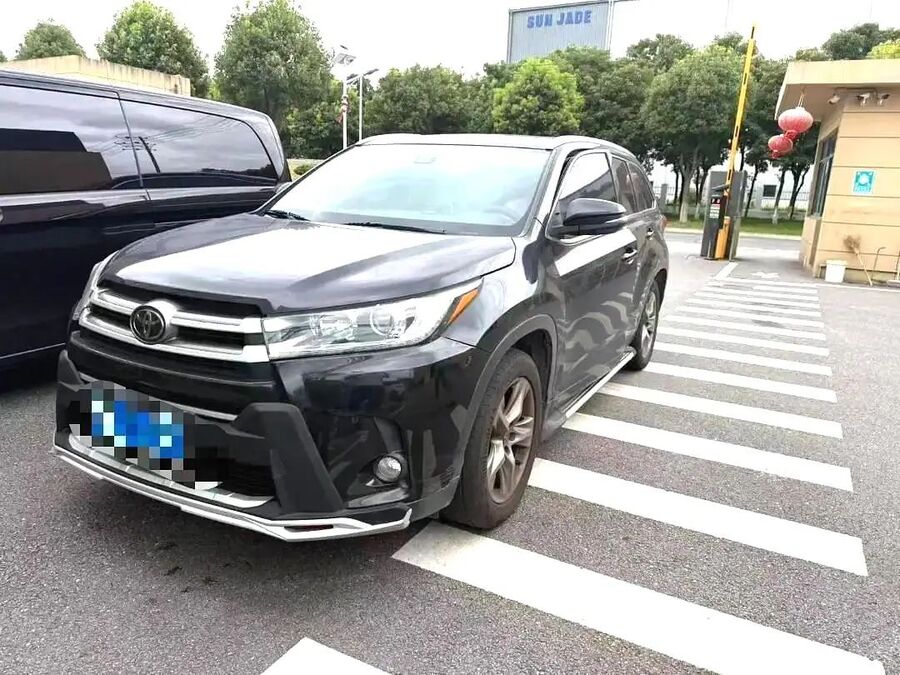
To buy a used Toyota from China, you work with a direct exporter, not an agency, and follow a defined sequence: tell us the model, year range, and destination port; receive a landed-cost quote; review the inspection report and photos; pay according to the agreed terms; we clear Chinese export customs and load the vehicle; you receive the original documents and collect the car at your port. The whole process typically takes two to six weeks depending on whether the vehicle ships in a container or on a RoRo vessel, and on sailing schedules to your destination.
Step 1: Define the model, condition, and destination
The Chinese used-car market is large and uneven. Prices and availability vary sharply by model, production year, and region. Before quoting, we need three things from you: the exact model (for example, Toyota Hilux double cab 4x4, Land Cruiser Prado, Corolla, RAV4, or Hiace), an acceptable year range, and your destination port. Destination matters because many countries impose age limits, emission standards, or right-hand-drive requirements that eliminate certain vehicles entirely.
Give us a budget range as well. It helps us separate realistic options from vehicles that would only work if you stretched your numbers. If you are buying multiple units, tell us the quantity — it affects shipping economics and sometimes sourcing priority.
- Model and trim: be specific; trim level changes value significantly.
- Year range: wider ranges give you more options but slower matching.
- Destination port: determines eligibility and freight cost.
- Quantity: single unit or fleet changes the shipping plan.
Step 2: Get a landed-cost quote and review the inspection
Once we know what you need, we source candidate vehicles and send you a quote that separates the vehicle price from freight and export documentation. We do not quote a single vague number — you should see what you are paying for the car and what you are paying to move it. Alongside the quote, we send inspection photos and a condition report showing the chassis number, odometer reading, exterior and interior condition, and any known issues.
This is the stage where a direct exporter differs most from an agency. Because we control inspection, the photos you see are of the actual unit you are buying, not a stock image or a photo from a supplier we have never visited. If a vehicle has a repaired panel, a replaced part, or higher-than-expected mileage, we tell you before you pay.
- Itemized quote: vehicle price, freight, and documentation shown separately.
- Chassis-number photos: confirms the exact unit.
- Odometer evidence: dashboard photo plus any available service records.
- Condition notes: disclosed defects, not hidden ones.
Step 3: Pay, export, and collect
Payment terms are agreed in writing before you send funds. Most buyers use a deposit to secure the vehicle and the balance against documents, typically the bill of lading or a copy of the export declaration. We then handle Chinese export customs clearance and book the vehicle onto a container or RoRo sailing. After loading, we send you the shipping documents so you or your clearing agent can handle import at your end.
Keep in mind that import duties, VAT, and port charges at destination are your responsibility and are not included in our quote unless we explicitly say so. A good exporter will tell you roughly what to expect so there are no surprises, but the actual assessment is made by your customs authority.
- Written terms: deposit and balance schedule agreed upfront.
- Export clearance: handled by us under our export license.
- Shipping documents: bill of lading, invoice, packing list, and certificate of origin as applicable.
- Destination costs: duties and port fees are the buyer's responsibility.
Ready to start? Send your model, year range, and destination port to WhatsApp +86 155 5692 0288, and browse available units at /used. We will come back with real options and a transparent landed-cost quote.