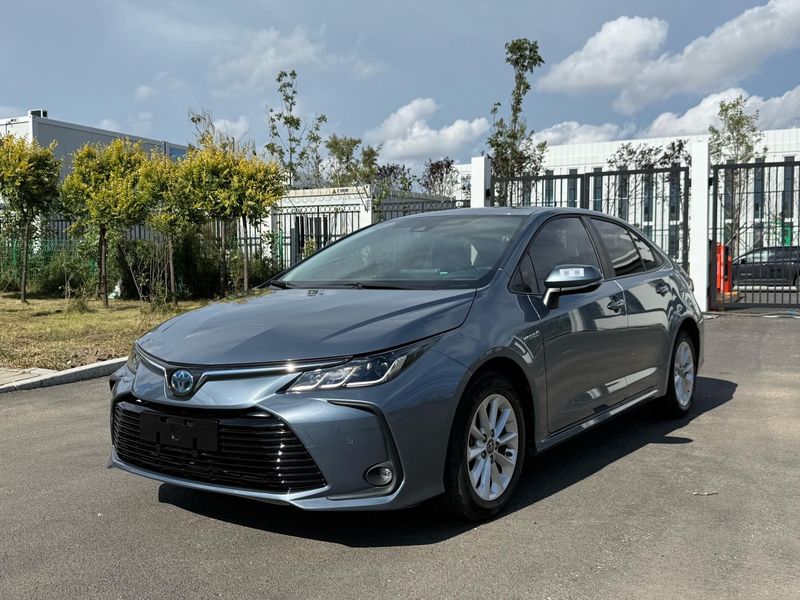
İkinci el bir Toyota için, çalışan bir araç için en düşük nakliye maliyetini istiyorsanız ve varış limanınızda sık RoRo seferi varsa RoRo'yu seçin. Araç yüksek değerliyse, birden fazla birim veya yedek parça gönderiyorsanız ya da hava koşullarına ve elleçleme hasarına karşı daha iyi koruma istiyorsanız konteyner nakliyesini seçin. RoRo, Afrika'ya ikinci el Toyota ihracatında en yaygın yöntemdir; konteyner ise Land Cruiser, Coaster ve lüks modeller için tercih edilir. Biz acente değil, doğrudan ihracatçıyız, bu nedenle her iki seçeneği de fiyatlandırır ve bütçenize ve risk toleransınıza uygun olanı rezerve ederiz.
RoRo nakliyesi nedir ve ne zaman en iyisidir?
RoRo (Roll-on/Roll-off), aracın gemiye sürülerek güverteye veya güverte altına sabitlenmesi anlamına gelir. En iyi olduğu durumlar:
- Bütçe öncelikliyse — RoRo, tek bir çalışan araç için genellikle konteynerden daha ucuzdur.
- Araç çalışıyor ve hareket ediyorsa — çalışmayan araçlar genellikle RoRo ile gönderilemez.
- Varış limanınızda RoRo hizmeti varsa — Lagos, Mombasa, Dar es Salaam ve Tema gibi büyük limanlarda düzenli RoRo seferleri vardır.
- Parça birleştirmeniz gerekmiyorsa — RoRo yalnızca araç içindir; yedek parçalar genellikle içine yüklenemez.
RoRo riskleri arasında tuzlu havaya ve hava koşullarına maruz kalma ile yükleme ve tahliye sırasında elleçleme hasarı bulunur. Bu riskleri saygın taşıyıcılar seçerek, aracı uygun şekilde sabitleyerek ve deniz sigortası önererek azaltıyoruz. RoRo transit süresi, yükleme veya birleştirme gecikmesi olmadığı için genellikle konteynerden daha hızlıdır.
Konteyner nakliyesi nedir ve ne zaman daha iyidir?
Konteyner nakliyesi, aracın 20ft veya 40ft bir konteynere yüklenmesi, sabitlenmesi ve mühürlenmesi anlamına gelir. Daha iyi olduğu durumlar:
- Araç yüksek değerliyse — Land Cruiser, Coaster veya Lexus rozetli bir Toyota ekstra korumadan fayda görür.
- Birden fazla birim gönderiyorsanız — 40ft bir konteyner iki küçük Toyota veya bir büyük SUV artı parçaları alabilir.
- Yedek parça veya aksesuar dahil etmek istiyorsanız — konteynerler parçaları, lastikleri ve aletleri araçla birlikte yüklemenize olanak tanır.
- Varış limanınızda sınırlı RoRo hizmeti varsa — bazı iç veya daha küçük limanlara konteynerle ulaşmak daha kolaydır.
- Mühürlü, kurcalandığı belli olan bir sevkiyat istiyorsanız — konteyner mühür numarası ve yükleme fotoğrafları size net bir kayıt sağlar.
Konteyner nakliyesi tek bir araç için RoRo'dan daha pahalıdır, ancak bir 40ft konteynerde iki araç gönderdiğinizde birim maliyet düşer. Ayrıca hava koşullarına ve hırsızlığa karşı daha iyi koruma sunar.
RoRo ile konteyner arasında nasıl seçim yaparım?
Bu basit karar kılavuzunu kullanın:
- Tek çalışan Toyota, kısıtlı bütçe, büyük liman → RoRo.
- Tek yüksek değerli Toyota veya ekstra koruma istiyorsanız → Konteyner.
- İki veya daha fazla araç ya da araç artı parçalar → Konteyner.
- Çalışmayan araç → Konteyner, çünkü RoRo aracın hareket etmesini gerektirir.
- RoRo hizmeti olmayan varış limanı → Konteyner.
Her iki seçeneği de proforma fatura ile birlikte fiyatlandırıyoruz, böylece karşılaştırabilirsiniz. Teklif, nakliye masrafını, limana iç taşımayı ve varsa evrak ücretlerini içerir. Aracı komisyonu eklemiyoruz çünkü biz aracı değil, doğrudan ihracatçıyız. Emin değilseniz, bize aracı, varış limanını ve bütçenizi söyleyin, en iyi seçeneği önerelim.
Maliyet ve risk farkları nelerdir?
RoRo, tek bir Toyota Corolla veya Camry için konteynere göre genellikle 300–600 USD daha ucuzdur, güzergaha bağlı olarak. Konteyner taşımacılığı konteyner, yükleme ve mühürleme masrafını ekler, ancak birden fazla birim gönderirseniz bu paylaşılır. Risk açısından RoRo aracı hava koşullarına ve elleçlemeye maruz bırakır, konteyner ise korur ancak uygun şekilde havalandırılmazsa yoğuşma riski ekler. Gerektiğinde konteynerlerde nem alıcılar ve havalandırma kullanıyoruz. Her iki yöntem için de, özellikle yüksek değerli araçlar için deniz sigortası öneriyoruz. Sigorta genellikle CIF değerinin %0,3–0,5'ine mal olur ve hasar, hırsızlık ve tam ziyaı kapsar.
Kullanılmış Toyota'nız için RoRo mu konteyner mi seçeceğinize yardım mı lazım? WhatsApp +86 155 5692 0288 ve mevcut araçlara /used adresinden göz atın. Biz aracı değil, doğrudan ihracatçıyız ve her iki seçeneği de net bir şekilde fiyatlandırırız.